

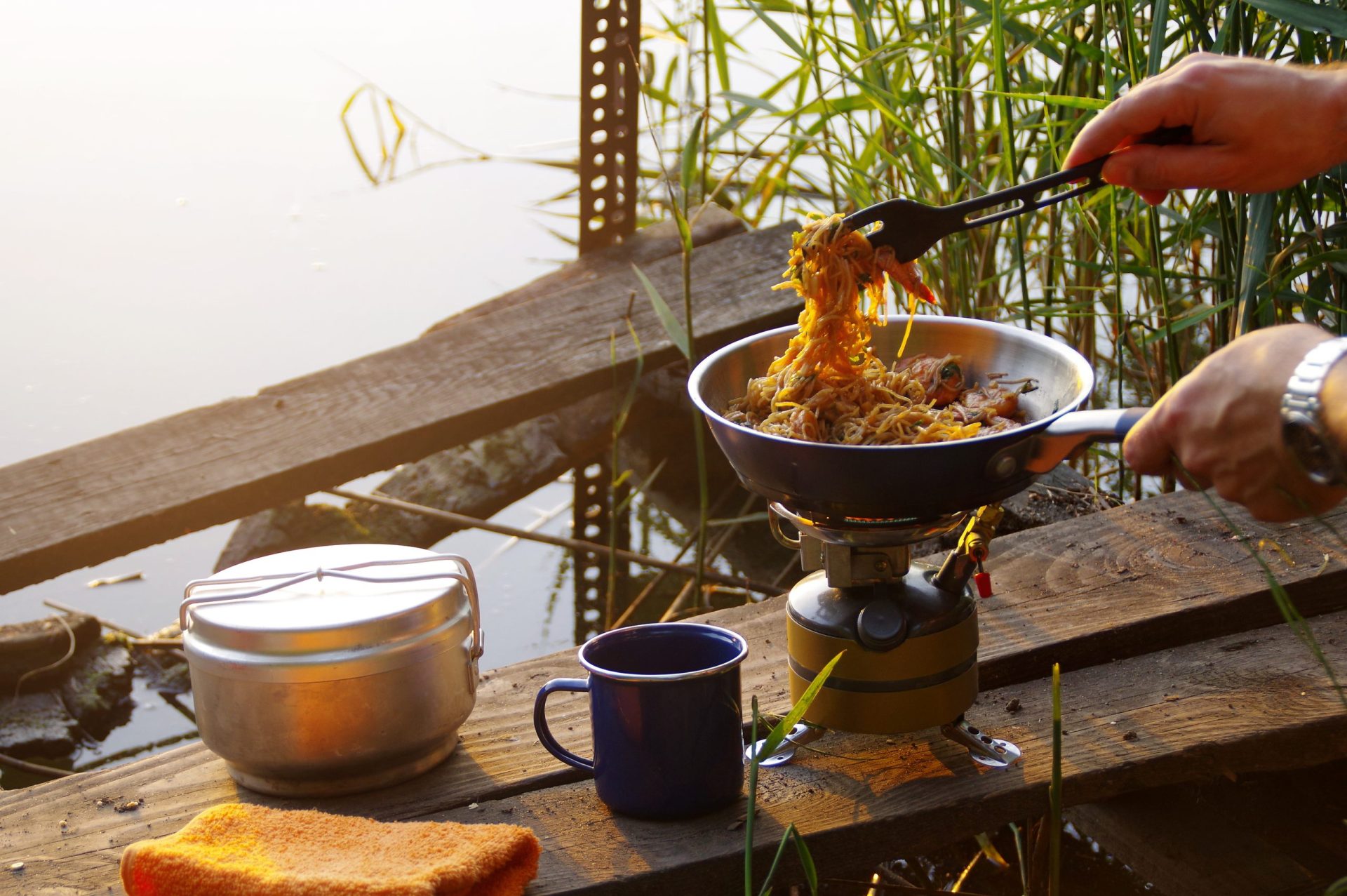
Embarking on a wilderness trip in Florida offers an opportunity to reconnect with nature and enjoy the state’s diverse landscapes. However, to ensure a successful and enjoyable adventure, careful meal planning and food preparation are essential. Let’s review various cooking methods, nutrition considerations, food safety, and waste disposal while primitive camping in Florida.
Campfire Cooking
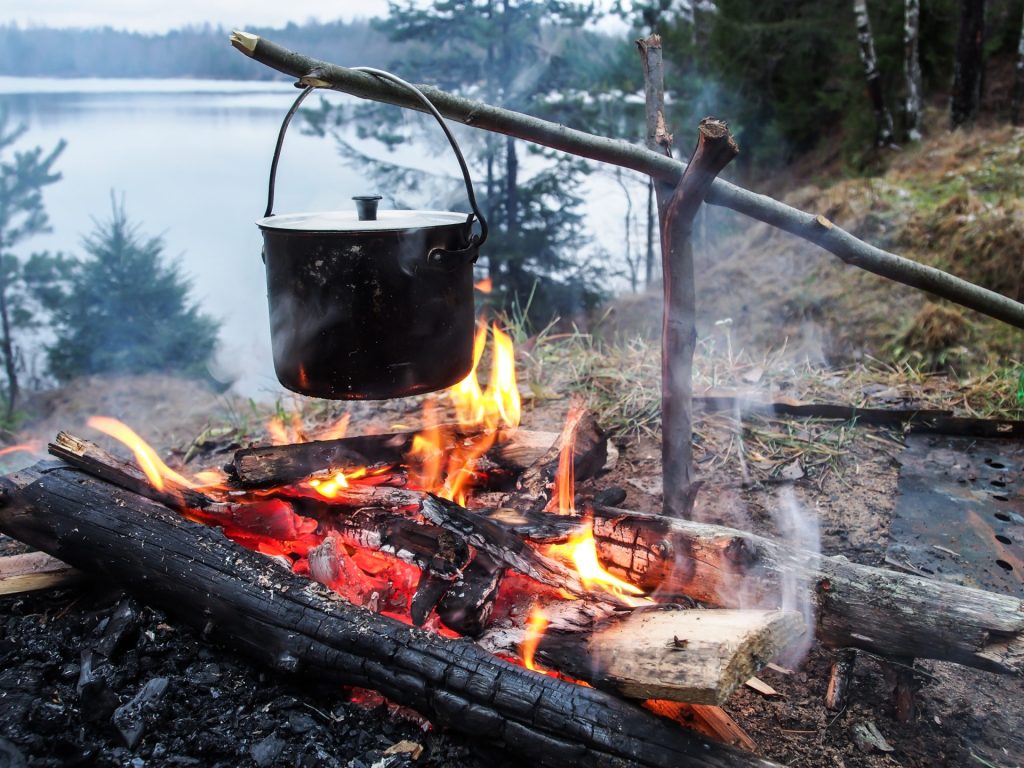
Cooking over a campfire is a classic method for preparing meals in the wilderness. The warmth and ambiance of an open fire create a unique dining experience. To cook with a campfire, gather firewood, build a fire pit, and use a grill grate or skewers to cook your food. Be sure to follow local regulations and fire safety guidelines, as some areas may restrict or prohibit open fires.
Fuel Stove Cooking
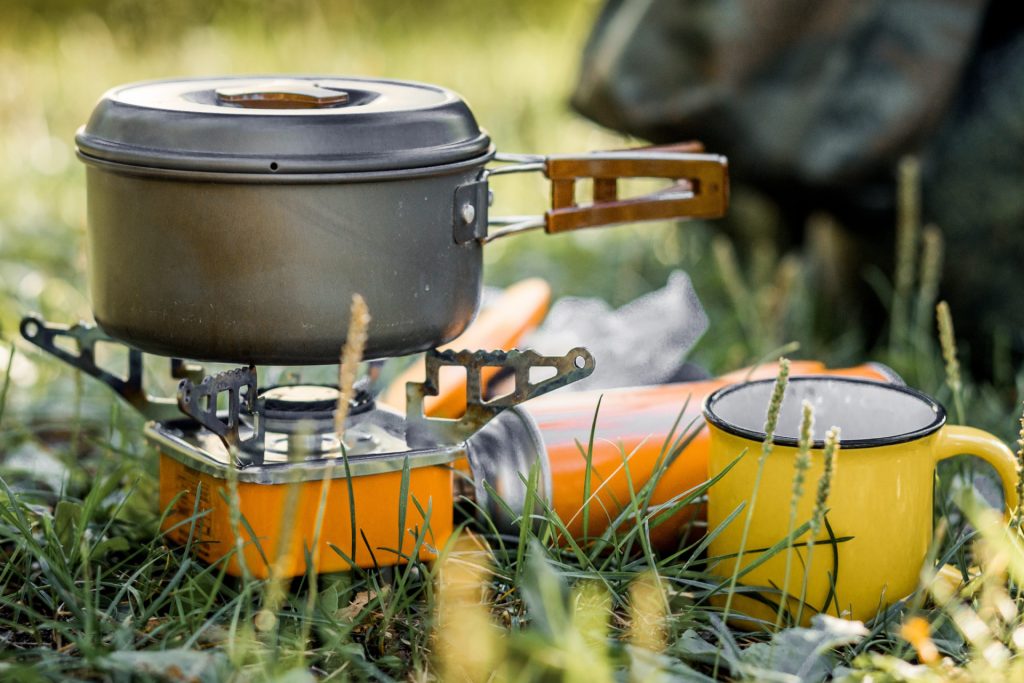
For a more convenient and controlled cooking option, consider using a portable fuel stove. These stoves are powered by alcohol, butane, or propane and provide a consistent heat source for cooking. They’re compact, lightweight, and perfect for backpacking trips. When using a fuel stove, always follow the manufacturer’s instructions and exercise caution to avoid accidents.
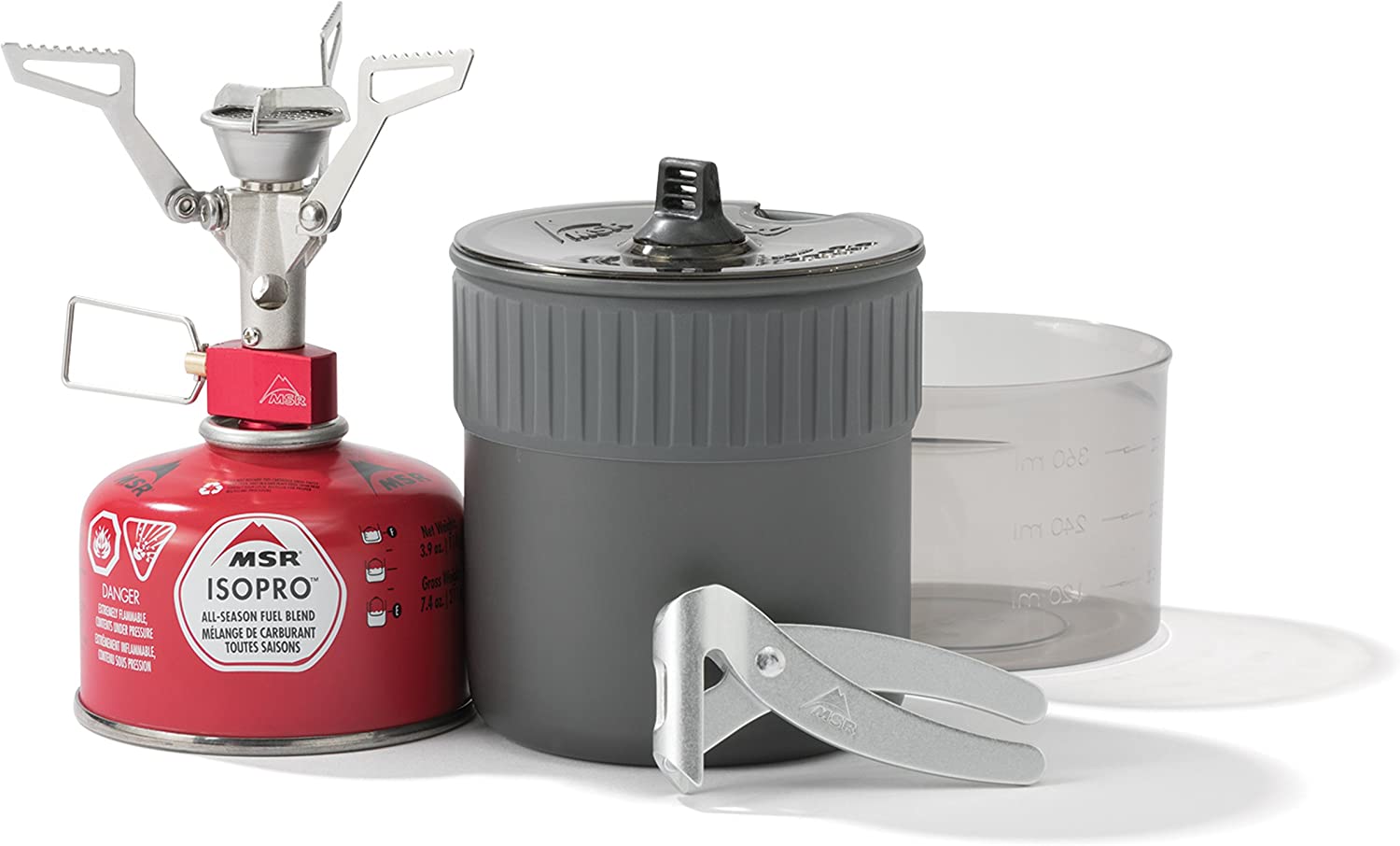
MSR is one of the most popular brands of lightweight hiking and camping stoves. This unit is an ultra-compact cook-and-eat kit for minimalist solo backpackers, it features the fast-boiling PocketRocket 2 stove (boils 1 liter of water in just 3.5 minutes) and is perfectly sized to make hot water for one pouch meal or cup of coffee.
A Wood Burning Alternative
I own and use the BioLite CampStove 2+ when the situation allows for it. It can be packed in, but this isn’t for the ultra-light hikers out there. It is bulky and has some weight. That said, it does charge your devices and cook food. I personally have the base unit and the BioLite Portable Grill that is designed to go on top of the unit.
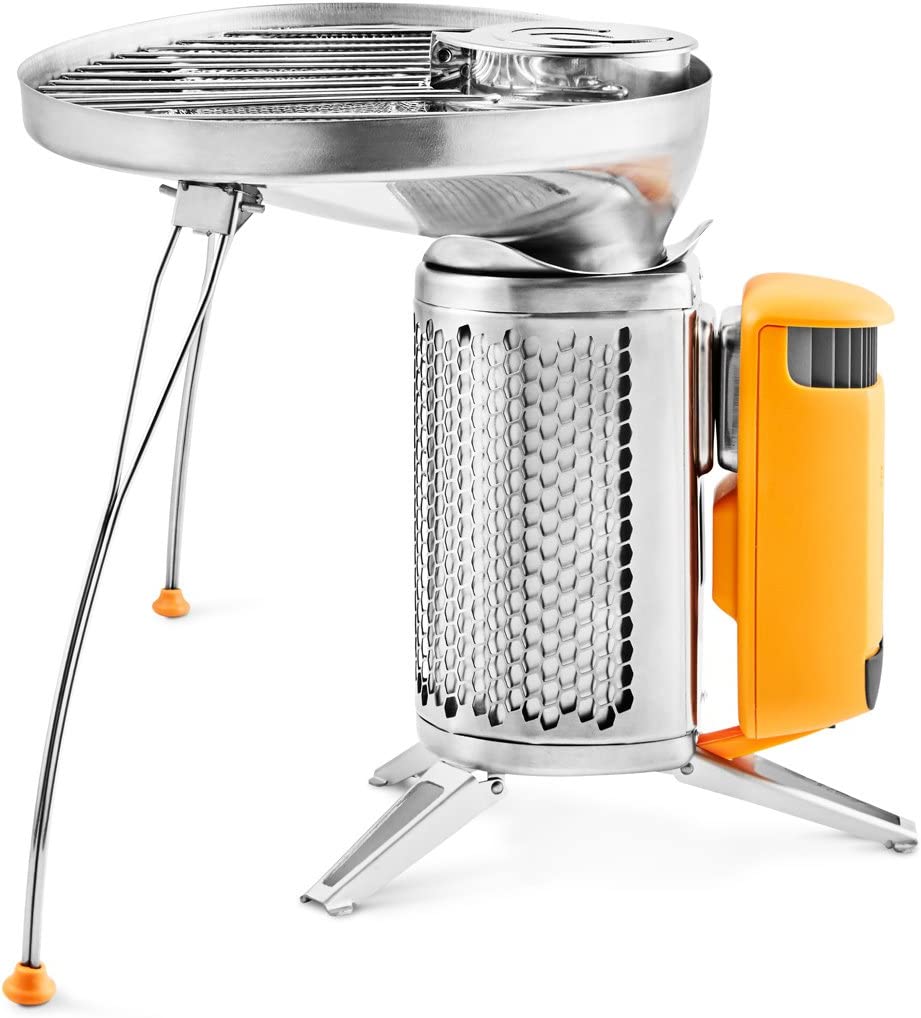
My experience with this unit has been a positive one. Just bear in mind that the fuel (wood) needs to be in the form of smaller sticks. In this, it becomes a full-time job to keep loading sticks into it while in use. Generally, this isn’t a big deal because we are sitting and relaxing anyway. That said, I do love the unit, and here in Florida when we experience hurricane-related power outages, it becomes extremely useful at home as well.
There is also a master kit that includes the stove, the grill, and a kettle/coffee maker setup. The kettle/coffee maker is described by BioLite as:
“Cook meals, boil water, and make coffee with this quick-cooking system, designed for use with the BioLite CampStove; Includes a stainless steel pot, kettle lid, CoffeePress, and the KettlePot stuff sack”
This leads to another combo you could develop, which is just the base unit and the kettle kit. This would be smaller and lighter than hauling the grill top and would best be put to use for cooking freeze-dried meals (and making coffee).
Back to just the base unit, it is possible to put a small pot or even a military canteen cup on the top and boil water this way. It just needs to be on very level ground.
Click the link below to explore all of these options; it’s a pretty cool kit!
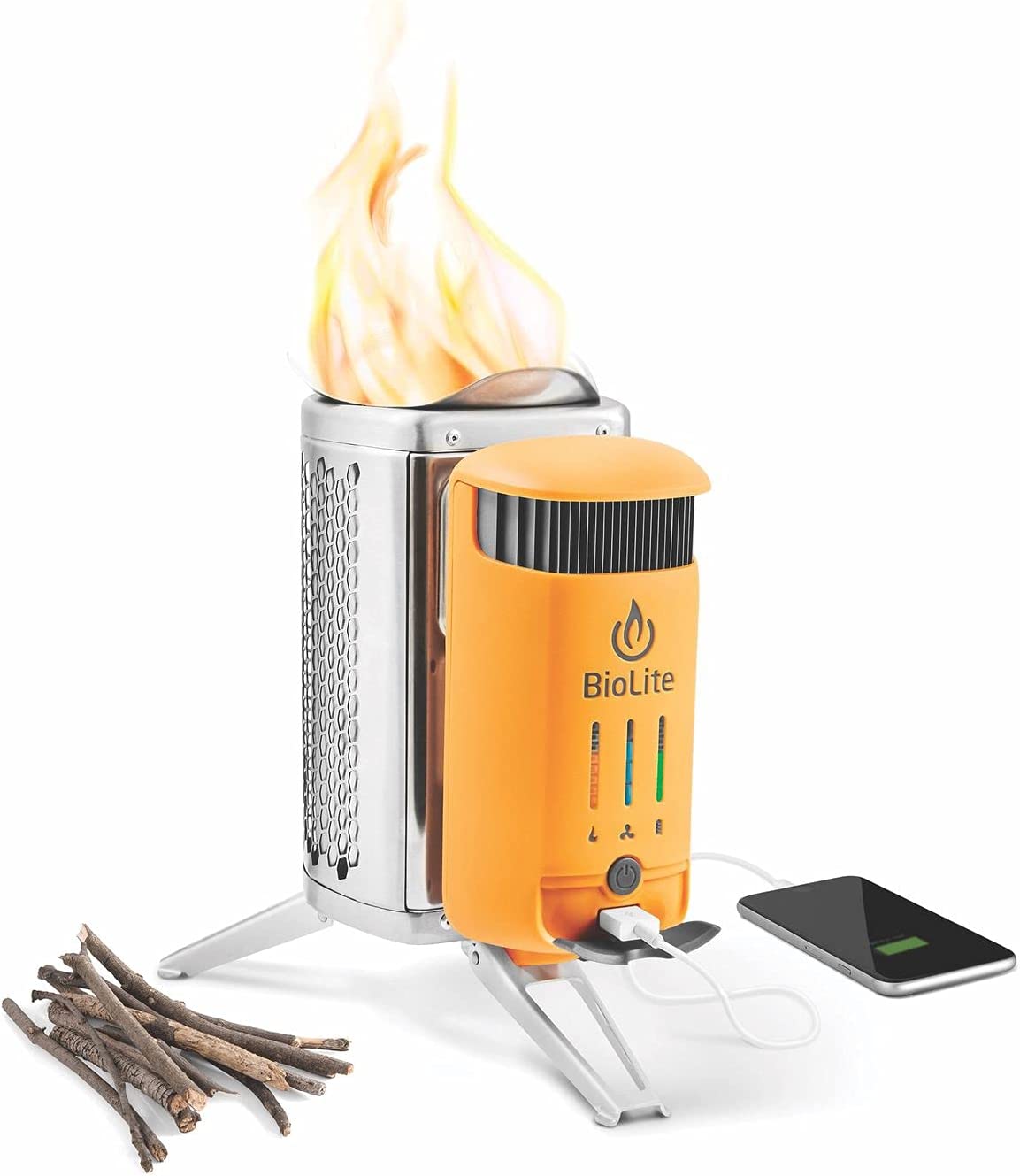
Turn fire into electricity with BioLite’s CampStove 2+. Patented combustion technology creates a vortex of smokeless flames for a portable campfire that can cook your meals and charge your devices.
No-Cook Meals
In some situations, no-cook meals can be an excellent option for wilderness trips. These meals require minimal preparation and can include items such as packaged tuna or sardines, trail mix, energy bars, sandwiches, and fresh fruits and vegetables. No-cook meals are perfect for when you want a quick, hassle-free meal or when fire restrictions are in place.
MREs and Flameless Heaters
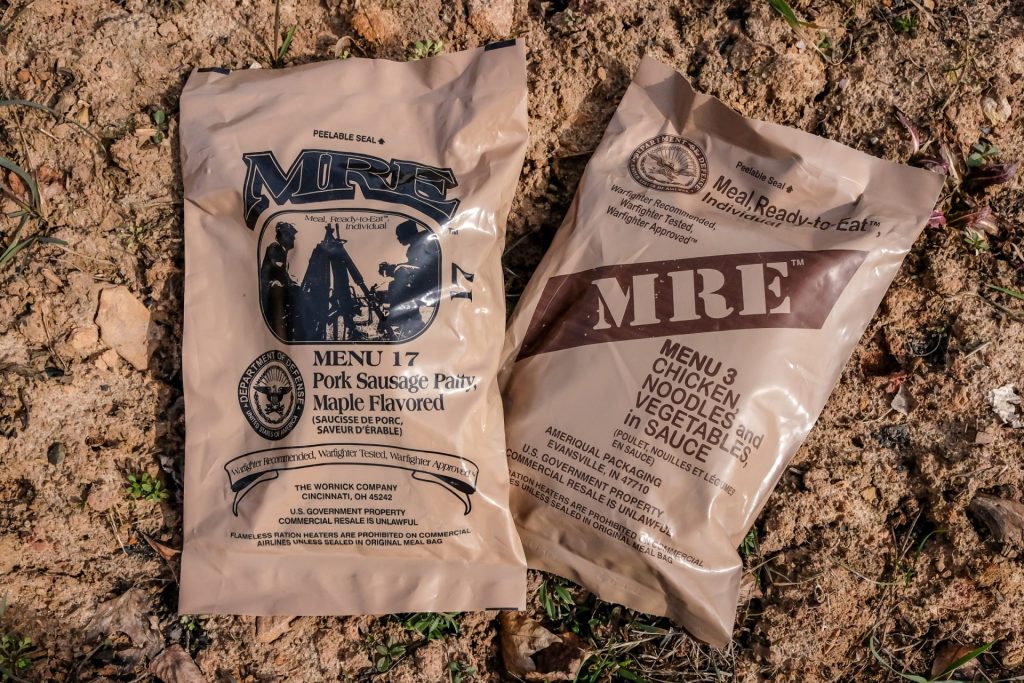
Meals Ready to Eat (MREs) are pre-packaged, shelf-stable meals that come with their own flameless heaters. They’re convenient, calorie-dense, and easy to prepare, making them a popular choice for wilderness trips. To use an MRE, simply insert the meal pouch into the heater, add water, and wait for the meal to heat up.
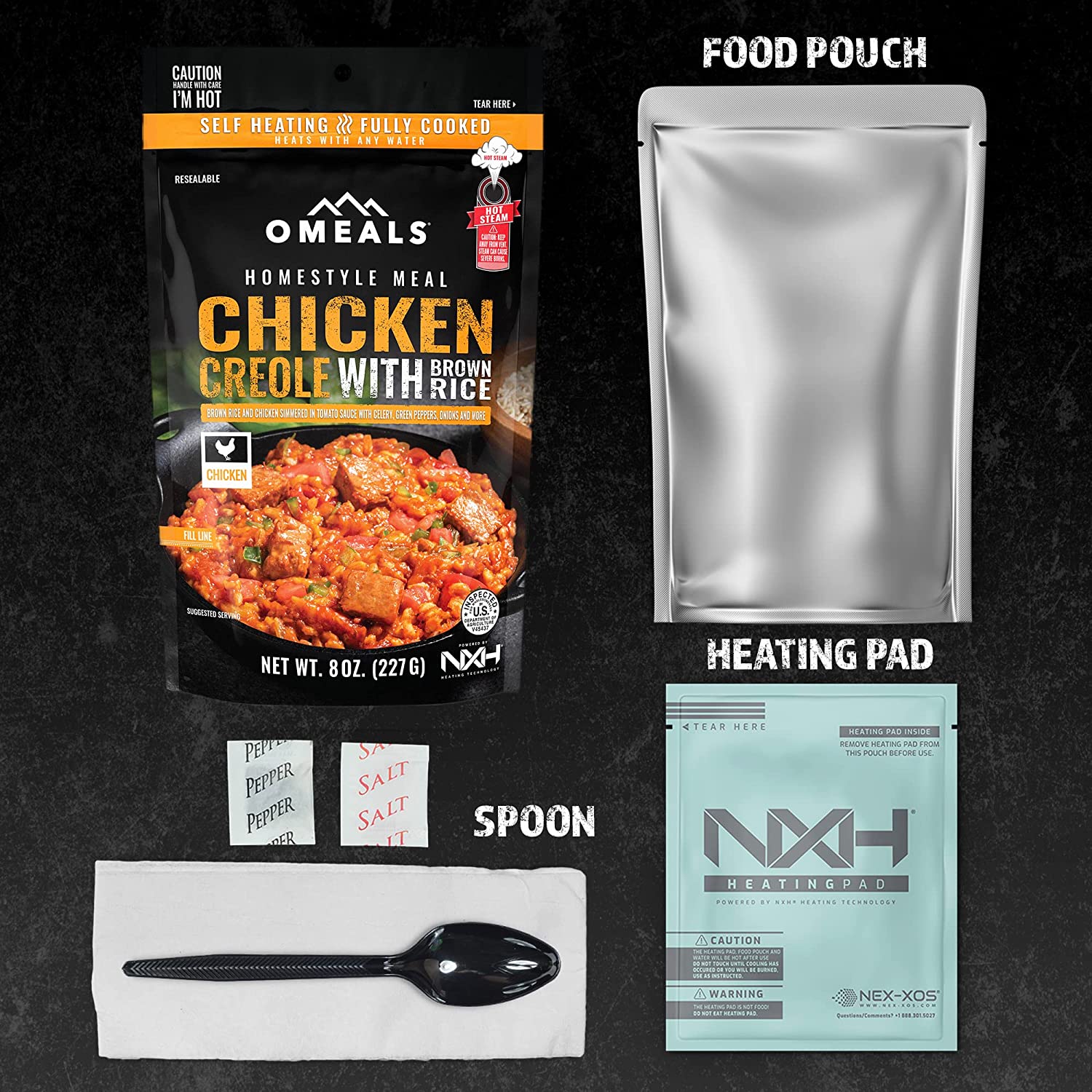
OMEALS are a self-heating, pre-cooked alternative to MREs. These have been popular since launch, and the 5 or 6 I have tried have been excellent. Enjoy On the Go hot meals anywhere and at any time, with minimal effort.
Nutrition Considerations
While on a wilderness trip, it’s crucial to consume well-balanced, nutritious meals to maintain energy levels and stay healthy. Plan your meals to include a mix of carbohydrates, proteins, and fats, as well as essential vitamins and minerals. Dehydrated meals, canned goods, and freeze-dried foods are excellent options for lightweight, nutrient-dense meals.
Food Safety and Storage
To keep your food safe from predators and spoilage, store it in airtight containers or bear-resistant canisters. Hang your food at least 10 feet off the ground and 4 feet away from tree trunks, or use designated food storage lockers if available. Keep all food and cooking supplies away from your sleeping area to avoid attracting wildlife.
Waste Disposal and Leave No Trace
Proper waste disposal is essential when camping in the wilderness. Pack out all trash, leftover food, and litter, and dispose of them in designated trash receptacles. For human waste, dig a cathole at least 6-8 inches deep and 200 feet away from water sources, trails, and campsites. Cover and disguise the cathole when finished. Always adhere to Leave No Trace principles to minimize your impact on the environment.
Get Out There!
Meal planning and cooking for wilderness trips in Florida can be an enjoyable and rewarding experience. By considering various cooking methods, focusing on nutrition, ensuring food safety, and practicing responsible waste disposal, you can make the most of your outdoor adventure. So, gather your supplies, plan your meals, and savor the taste of delicious food in the beautiful Florida wilderness.


Comments