


If you’re planning a hiking or camping trip in Florida, being mindful of your environmental impact is essential. Even small actions can significantly impact, especially in fragile ecosystems like Florida. By following the Leave No Trace principles, you can enjoy the outdoors’s beauty while minimizing your environmental impact.
What are Leave No Trace principles?
Leave No Trace is an outdoor ethics program that promotes responsible outdoor recreation. The program was developed in the 1960s by the National Outdoor Leadership School (NOLS) and the U.S. Forest Service, and it has since become a standard for environmentally responsible outdoor activity.
The Leave No Trace principles include:
- Plan ahead and prepare
- Travel and camp on durable surfaces
- Dispose of waste properly
- Leave what you find
- Minimize campfire impact
- Respect wildlife
- Be considerate of other visitors
Let’s look at these principles and how they apply to hiking and camping in Florida.
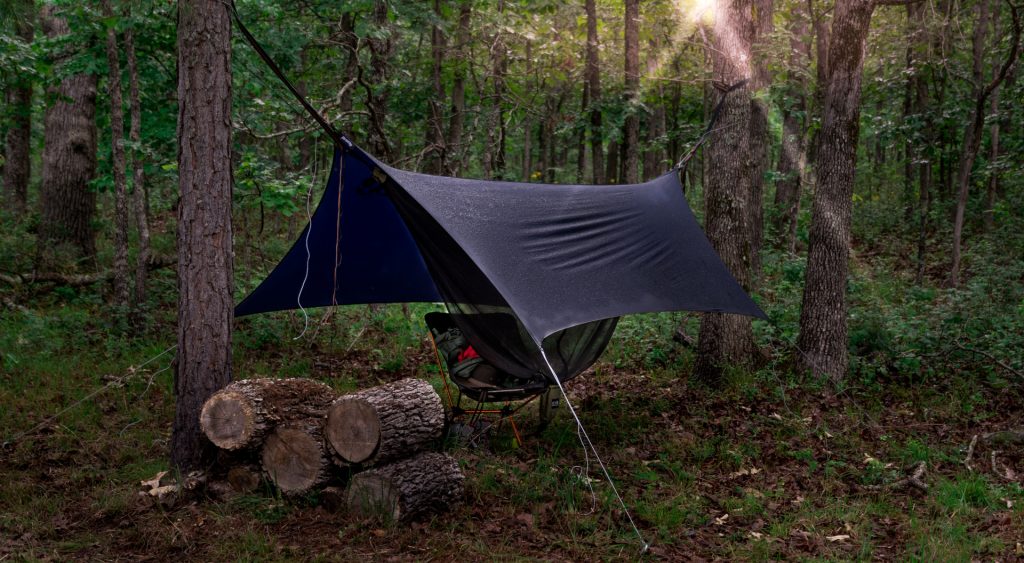
Plan ahead and prepare
Before you head out on your hiking or camping trip, take some time to plan and prepare. This includes researching the area you’ll visit, checking the weather forecast, and packing appropriate gear and supplies. It’s also important to consider your environmental impact and plan your trip accordingly. For example, if you’re camping in a remote area, you may need to bring a water filter or purifier to ensure access to clean drinking water.
Travel and camp on durable surfaces
Stick to established trails to avoid damaging vegetation and fragile ecosystems when hiking. When camping, choose a campsite that’s been previously used rather than creating a new one. If you’re camping in a backcountry area, follow the guidelines set by the park or wilderness area to ensure you’re camping on a durable surface.

Dispose of waste properly
This is an important principle that’s often overlooked. When hiking or camping, pack out everything you pack in, including food waste, toilet paper, and other trash. Using designated trash and recycling containers if you’re camping in a developed area. If you’re camping in a remote location, pack your trash and dispose of it properly when you return to civilization.
Leave what you find
Taking a souvenir from your camping trip can be tempting, but leaving everything in its natural state is essential. This includes rocks, shells, and plants. Removing these items can disrupt the ecosystem and impact the environment in ways we may not even realize.

Minimize campfire impact
Campfires can be a fun and enjoyable part of camping, but they can also be destructive to the environment. Before building a campfire, check with the park or wilderness area to ensure fires are permitted. When building a fire, use a designated fire ring or build one in a previously disturbed area. Keep the fire small and use only small sticks and twigs found on the ground. When you finish the fire, completely extinguish it and scatter the ashes.
Respect wildlife
When hiking or camping in Florida, respecting wildlife is essential. This includes keeping a safe distance from animals, not feeding them, and avoiding their habitats. You can help protect their habitats and maintain a healthy ecosystem by respecting wildlife.
Be considerate of other visitors
When hiking or camping, be mindful of other visitors. Keep noise levels down, especially in the early morning and late evening. Respect other visitors’ privacy by keeping a safe distance from their campsites. And be sure to follow any rules or regulations the park or wilderness area sets.

Why are Leave No Trace principles important in Florida?
Florida’s unique and fragile ecosystem includes wetlands, mangroves, and coral reefs. The state is also home to many endangered and threatened species, such as the Florida panther and the manatee. With millions of visitors to Florida’s parks and wilderness areas each year, it’s important to practice Leave No Trace principles to minimize the environmental impact and protect these delicate ecosystems.
In addition to protecting the environment, practicing Leave No Trace principles can enhance your outdoor experience. By leaving the environment in its natural state, you can better appreciate its beauty and experience the tranquility of the outdoors.
Remember to follow the Leave No Trace principles when planning a hiking or camping trip in Florida. By planning and preparing, traveling and camping on durable surfaces, disposing of waste properly, leaving what you find, minimizing campfire impact, respecting wildlife, and being considerate of other visitors, you can help protect the environment and maintain the beauty of Florida’s outdoors for future generations to enjoy.


Comments