


Florida is well-known for its sunny beaches, amusement parks, and vibrant cities. However, the Sunshine State is also home to an extensive network of state and national forests, offering a diverse range of outdoor adventures for hiking, backpacking, and camping enthusiasts. Let’s explore some of Florida’s most notable state and national forests, highlighting their unique features and the recreational opportunities they provide.
Apalachicola National Forest
Located in the Florida Panhandle, Apalachicola National Forest is the largest national forest in the state, spanning over 567,000 acres. This vast area is characterized by longleaf pine forests, wetlands, and savannahs, providing a unique habitat for a diverse range of wildlife, including the endangered red-cockaded woodpecker and the gopher tortoise. With over 100 miles of hiking and multi-use trails, including the Florida National Scenic Trail, Apalachicola National Forest offers ample opportunities for outdoor enthusiasts to explore and connect with nature. The forest is also a popular destination for camping, with several developed campgrounds and dispersed camping areas available.

Ocala National Forest
Situated in central Florida, Ocala National Forest covers more than 383,000 acres of sand pine scrub and longleaf pine forests. One of the unique features of this forest is its abundance of clear, spring-fed lakes and rivers, providing excellent opportunities for swimming, snorkeling, and paddling. Ocala National Forest is home to the Florida Black Bear Scenic Byway, a 60-mile drive that winds through the heart of the forest, offering stunning views of the surrounding wilderness. Hiking enthusiasts can enjoy over 100 miles of trails, including a section of the Florida National Scenic Trail. Campers have a wide selection of campgrounds to choose from, ranging from primitive sites to those with modern amenities.
Osceola National Forest
Located in North Florida, Osceola National Forest covers approximately 200,000 acres of pine flatwoods, swamps, and hardwood hammocks. The forest provides habitat for various wildlife species, including the red-cockaded woodpecker, gopher tortoise, and white-tailed deer. Osceola National Forest features several hiking trails, such as the Mount Carrie Way Trail and the Trampled Track Trail, which allow visitors to explore its diverse landscapes. The forest also offers camping facilities, including the Ocean Pond Campground, which features sites along the shores of a picturesque lake.
Big Shoals State Forest
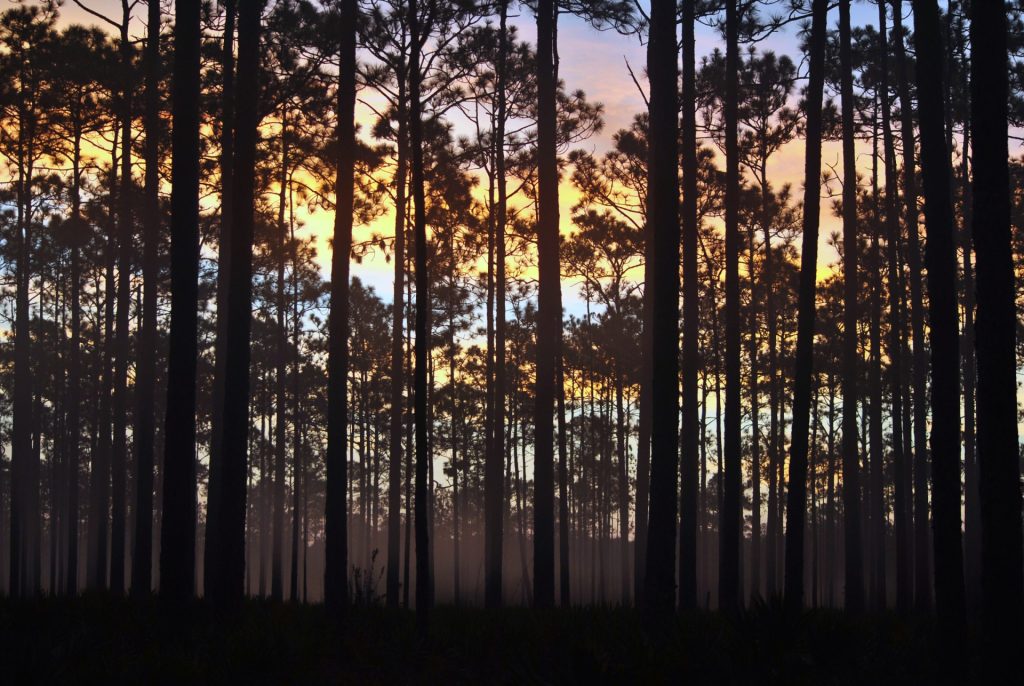
Big Shoals State Forest, located in North Florida, spans over 3,800 acres and is home to the state’s largest whitewater rapids. The forest is characterized by limestone bluffs, hardwood hammocks, and pine flatwoods. The 28-mile Woodpecker Trail offers hikers, backpackers, and equestrians an opportunity to explore the diverse landscapes and wildlife habitats of the forest. In addition, Big Shoals State Forest offers several primitive camping sites for those seeking a more remote and rugged experience.
Withlacoochee State Forest
Withlacoochee State Forest, situated in West Central Florida, covers more than 157,000 acres and offers a variety of recreational opportunities, including hiking, biking, horseback riding, and paddling. The forest features several unique ecosystems, such as sandhills, scrub, and hardwood swamps. Hikers can explore the 46-mile Withlacoochee State Trail, a paved, multi-use trail that runs through the forest. Additionally, the forest offers numerous campgrounds, including some with equestrian facilities, making it a popular destination for horseback riders.

Get Out There!
Florida’s state and national forests provide an incredible array of opportunities for hiking, backpacking, and camping enthusiasts to discover and connect with the diverse natural landscapes of the Sunshine State. As you explore these beautiful areas, it’s essential to practice Leave No Trace principles, which include planning ahead, disposing of waste properly, respecting wildlife, and minimizing your impact on the environment. By following these guidelines, you’ll help preserve the pristine condition of these forests for future generations to enjoy. So, lace up your hiking boots, pack your camping gear, and embark on an unforgettable adventure through Florida’s breathtaking state and national forests.




Comments